Most teams think they agree on why they exist. Ask each person and you get a different answer.
- The loudest voices set the purpose. The rest nod along, and it never represents the whole team.
- Nothing is written down, so every big decision gets argued from scratch.
- Teams labour over the wording for weeks and still end up with something nobody says out loud.
It can be really surprising, even in very long-standing teams how little continuity there is in the language and the ambition and intent of team members towards a united vision.
Tangible outputs, not a whiteboard photo.
Everything below is produced in the session itself.
One agreed mission statement
Drafted by the team, agreed by the whole team, typed in word for word. In your words, not ours.
A shared view of why the team exists
Who you serve. What you provide and why it matters. Your key strengths. Why you, rather than anyone else.
An insights and suggestions report
Opens with your mission, then what to try in the weeks ahead. A staff version and a manager version. The manager sees nothing the room didn’t.
Proof the needle moved
The team answers the same question at the start and at the end: how much do we share one view of why we exist? You see the shift, side by side, in the report.
A review date and a home for it
Agreed in the room: when you’ll revisit the mission and where it will live, on the wall or read at the start of meetings.
Five stages. The video and tasks on the shared screen, the answers on your phones.
Someone presses play and keeps time. The videos do the coaching.
- Stage 1
Check in
Something that has gone well in this team recently. One sentence each, no justifying.
ScreenPhone - Stage 2
Why do we exist?
A guided conversation: who you serve, what you provide and why it matters, your strengths, and what would be lost without you. Then a quick question: how far do we share one view?
ScreenPhone - Stage 3
Draft the mission
Alone first, then in pairs, then in small groups. Each group writes a draft against the five marks of a compelling mission.
ScreenPaper and talk - Stage 4
Hear every draft. Agree one.
The whole team listens, keeps what’s compelling, and agrees a single statement. One person types it in.
ScreenPhone - Stage 5
Commit
Read it aloud. Agree when you’ll review it and where it will live. Answer the alignment question again. Your report arrives.
ScreenPhone
The five marks of a compelling mission
Every draft is checked against them. In Craig’s words: a mission statement isn’t simply a statement for others, it’s a guiding rod for your team, for team meetings and for the decisions you make as you move forwards.
- A compelling picture of a future we could reach
- Inspiring, and true to our values
- Focused and clear enough to guide our decisions
- Flexible enough to survive changes in our world
- Easy to explain in two minutes
Run it when “why do we exist?” has to be a shared answer.
Teams of 6 to 14. In a room, or on Teams or Zoom with breakout rooms for the pairs and groups. It stands alone: no other Team Spark® session needed first.
- A new team that has never said its purpose out loud
- Two teams merged into one
- A new leader taking over
- A strategy refresh, or before a planning cycle
- A long-standing team that has drifted
Led on video by a Chartered Psychologist. Run by you.
Presented by Dr Craig Newman. Created and developed with Dr Cordet Smart.
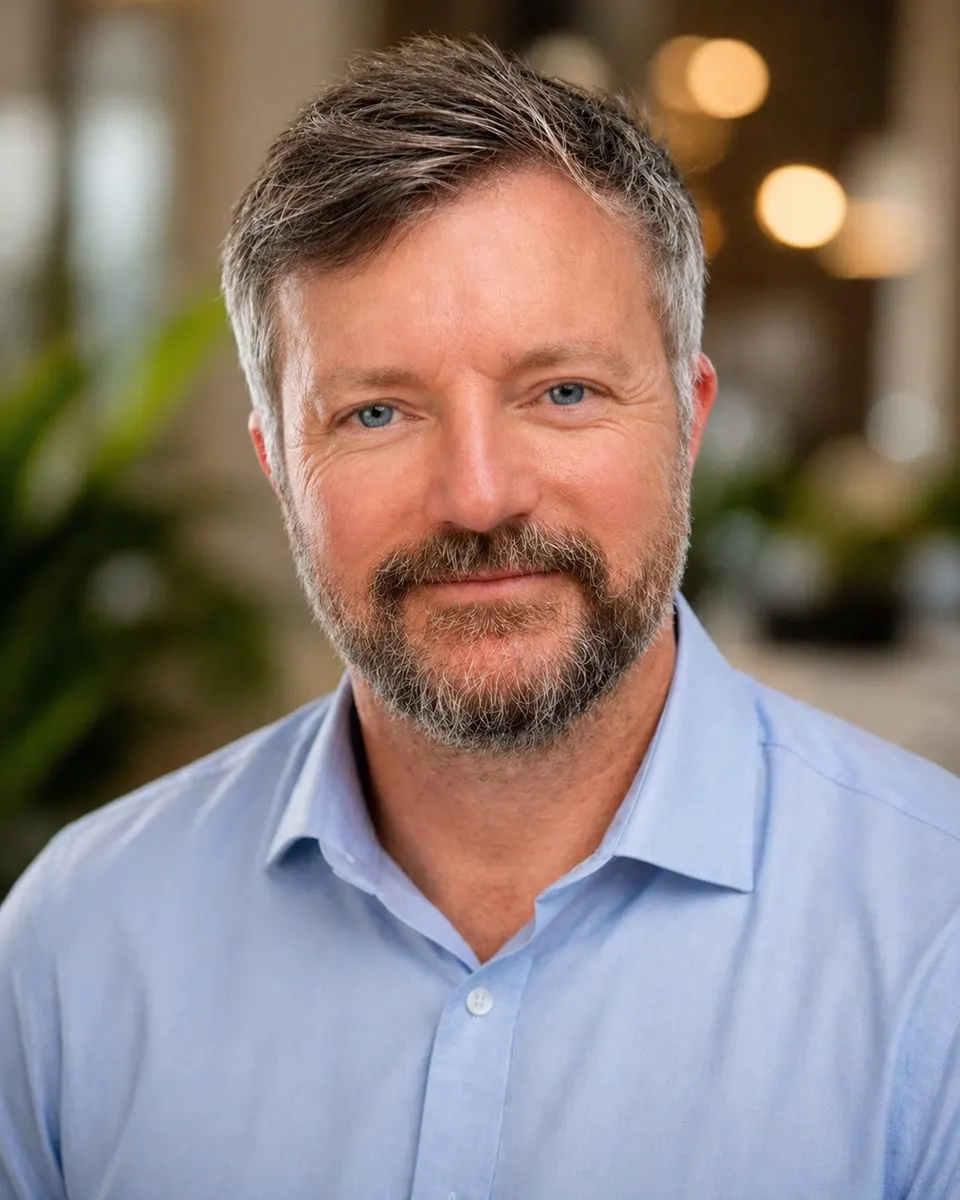
Dr Craig Newman
Chartered Coaching Psychologist · presents the videos
BPS Chartered Psychologist, Coaching Psychology. DClinPsych, PhD. 23 years in practice.

Dr Cordet Smart
Chartered Coaching & Occupational Psychologist · co-creator
BPS Chartered Coaching Psychologist. PhD, MSc Organisational Psychology.
“My experience of UXC has been fantastic, very different from previous support. The approach has been inviting, playful and impactful.”
“The coaching has been very good. It’s allowing me the psychological safety to explore why something’s going wrong, and then start sorting it.”
One price for the whole team. Not per head.
£149whole team
One session, about 2 hours. Teams of 6 to 14. No VAT is charged.
- Pre-recorded videos with a Chartered Psychologist
- Anonymous answers from everyone’s phone
- Your agreed mission, word for word, at the top of the report
- Before and after alignment measure
- Insights and suggestions report, staff and manager versions
Pay by card. Runs in the browser on the shared screen and on each phone.
Included free with the full programme, paid in full.
The full Team Spark programme is a free workshop and six more, run once a month. Pay for it in full and the Visioning Workshop is included at no extra cost.
£749full programme, whole team
The things teams ask first.
We’re remote. Does it work?
Yes. Run it over Teams or Zoom. Share the screen for the video and tasks, use breakout rooms for the pairs and small groups, and everyone answers from their own phone.
How many people?
Teams of 6 to 14. Everyone takes part; nobody sits it out.
How anonymous is it?
Everyone answers from their own phone. Nothing appears on the shared screen until enough people have answered that no single response can be picked out. Not the manager, not the admin: nobody can see who wrote what.
What do we need?
A shared screen in a room or on a call, a phone each, somewhere for pairs and small groups to talk, and pen and paper for the first draft. One person presses play and keeps time. No training needed.
What happens after?
Your report arrives with the agreed mission at the top, how far alignment moved, and what to try in the weeks ahead. A staff version and a manager version. You’ll have a review date and a place for the mission to live.
Can we repeat it?
Yes. If the team feels the statement needs another pass, repeat the drafting at your next meeting. Craig recommends reviewing the mission every three to six months.
Two hours. One mission. Everyone behind it.
The conversation most teams have never had out loud, led on video by a Chartered Psychologist and run by you.
Pre-recorded with a Chartered Psychologist · Anonymous on phones · About 2 hours · No facilitator needed